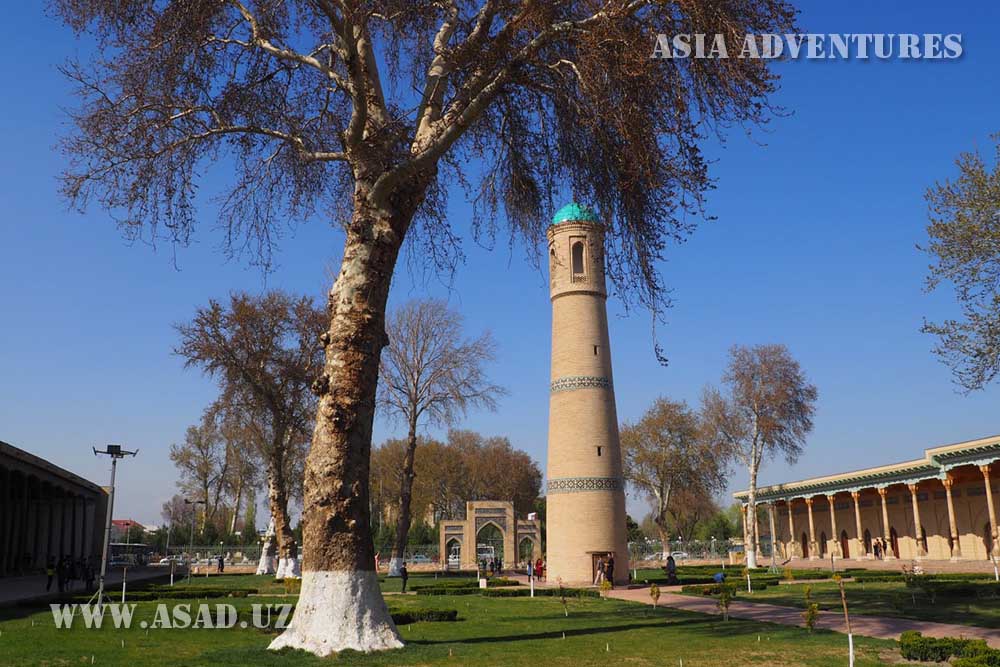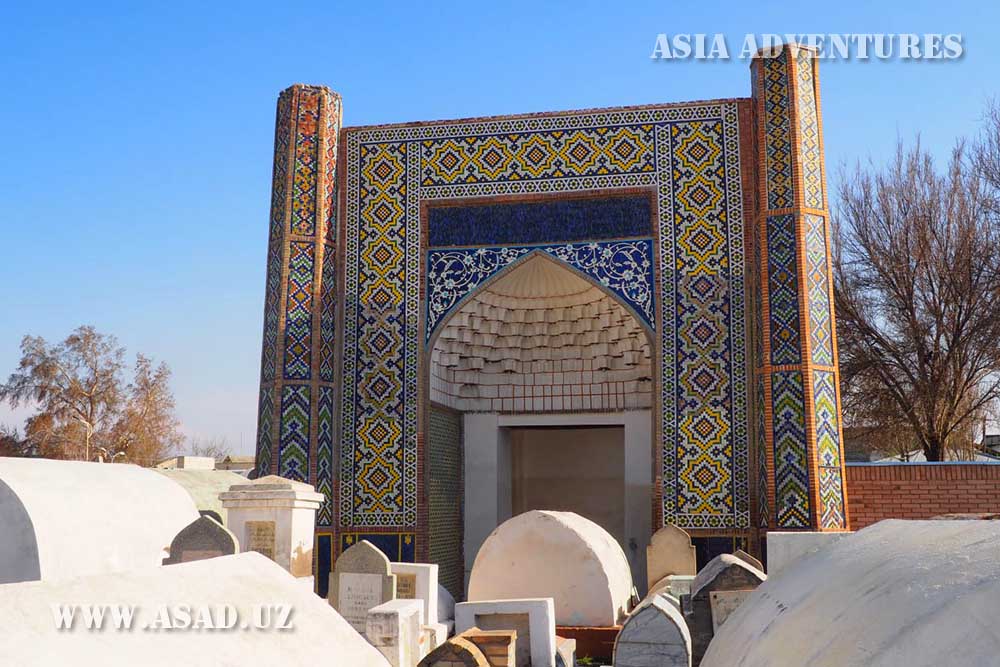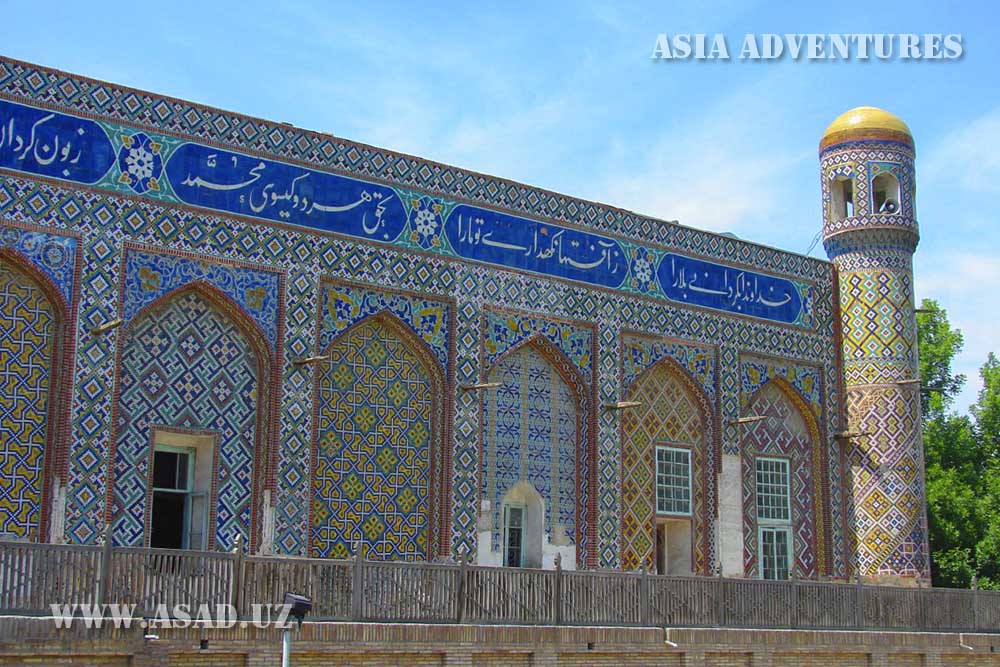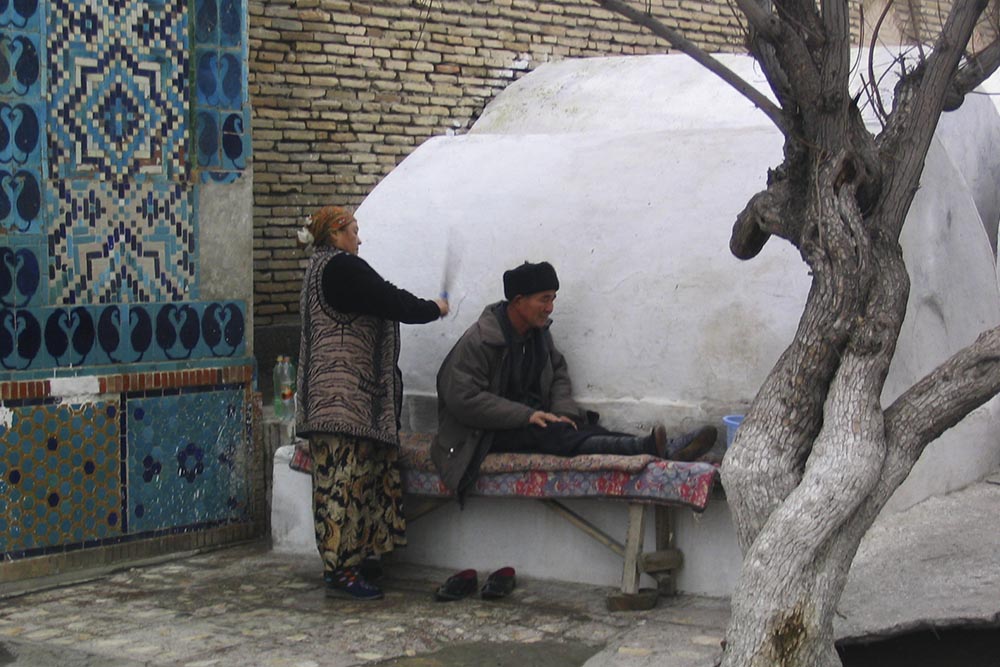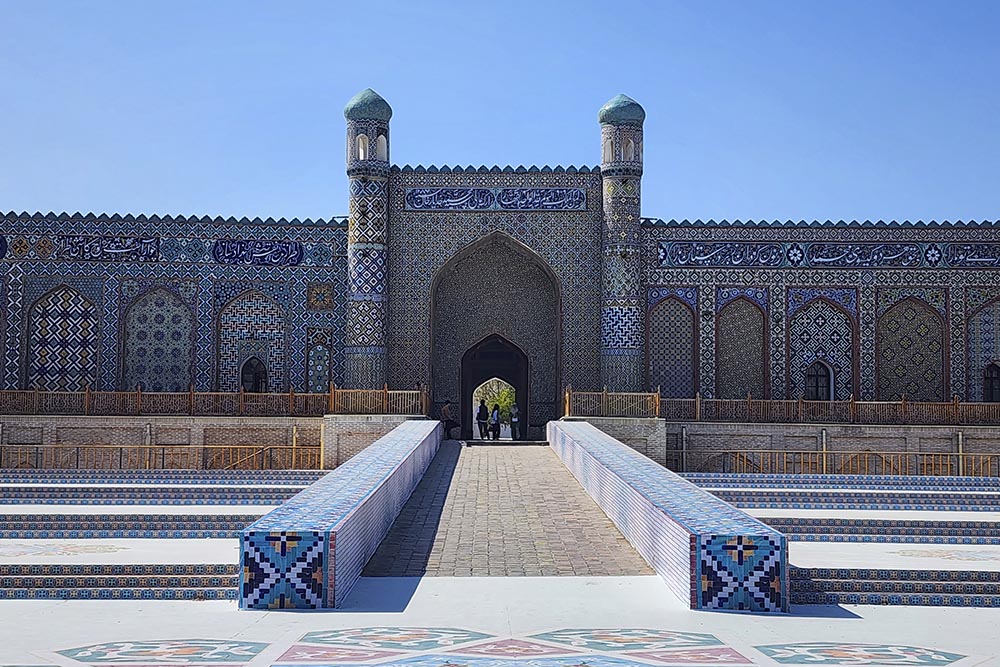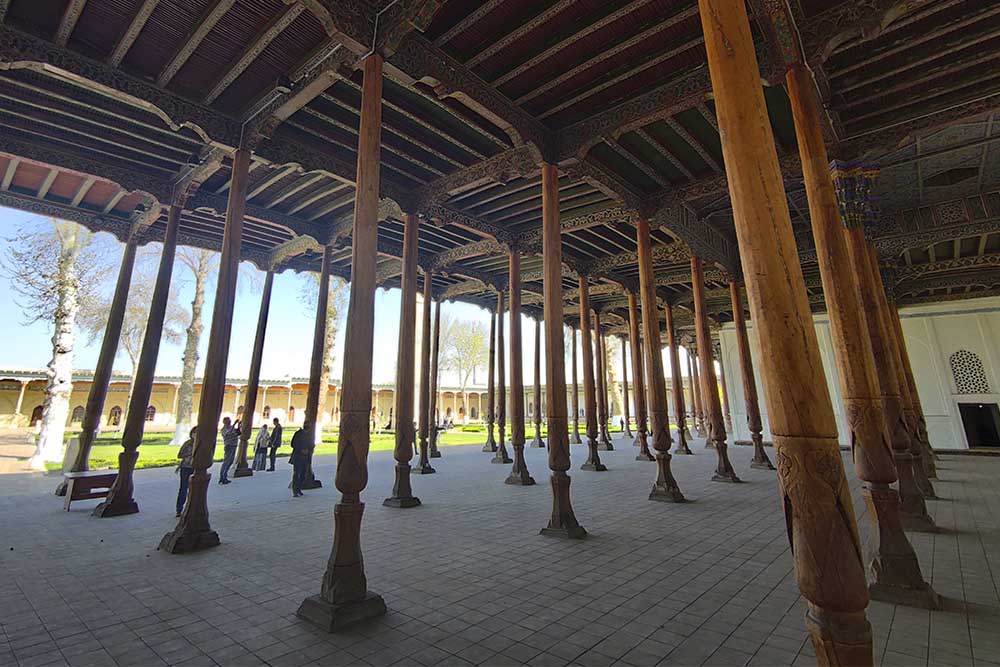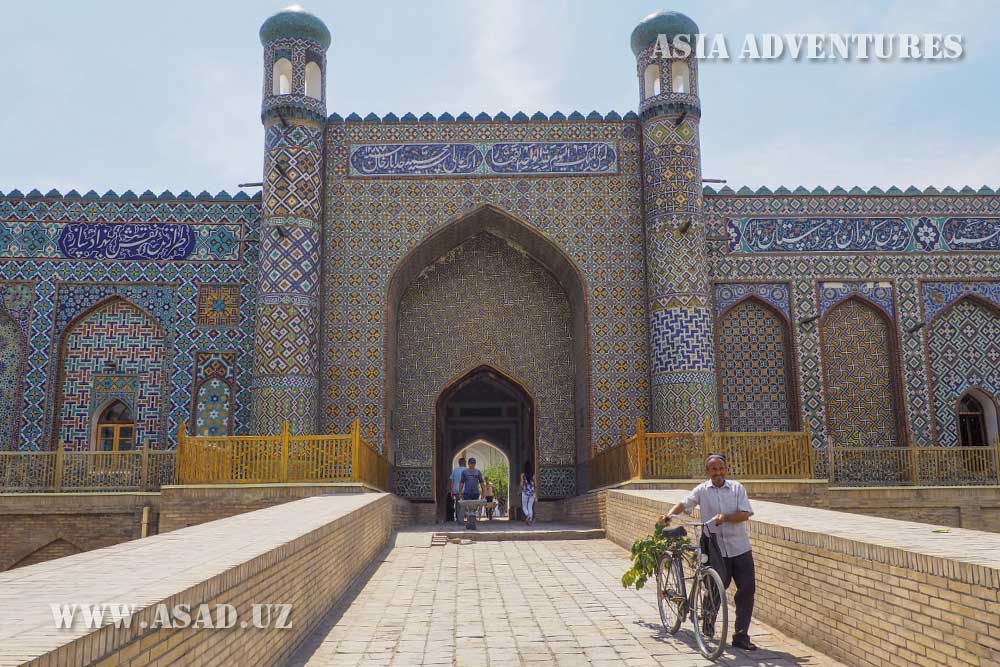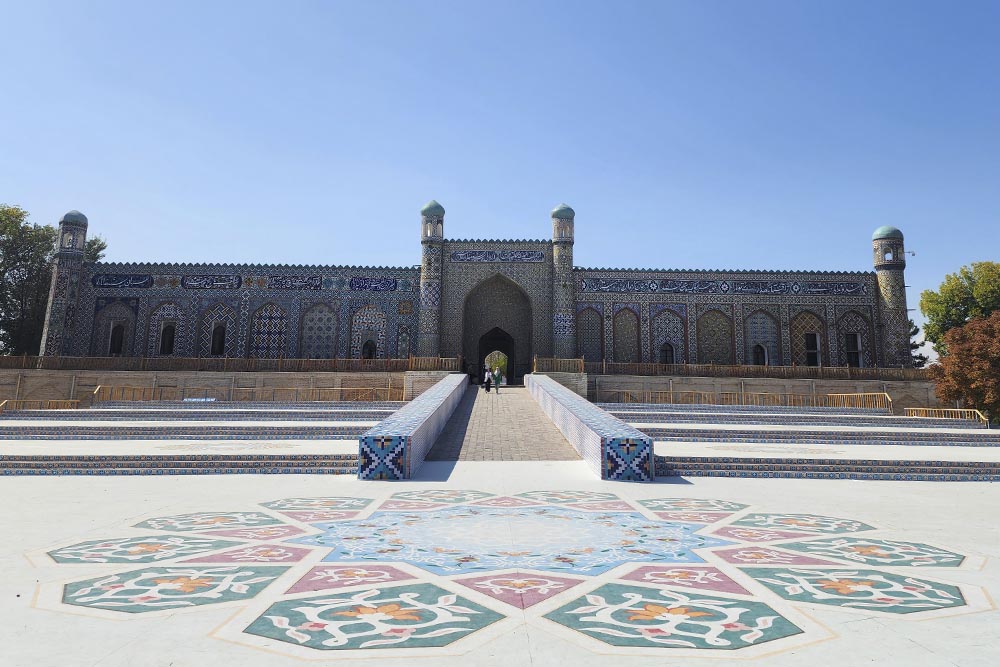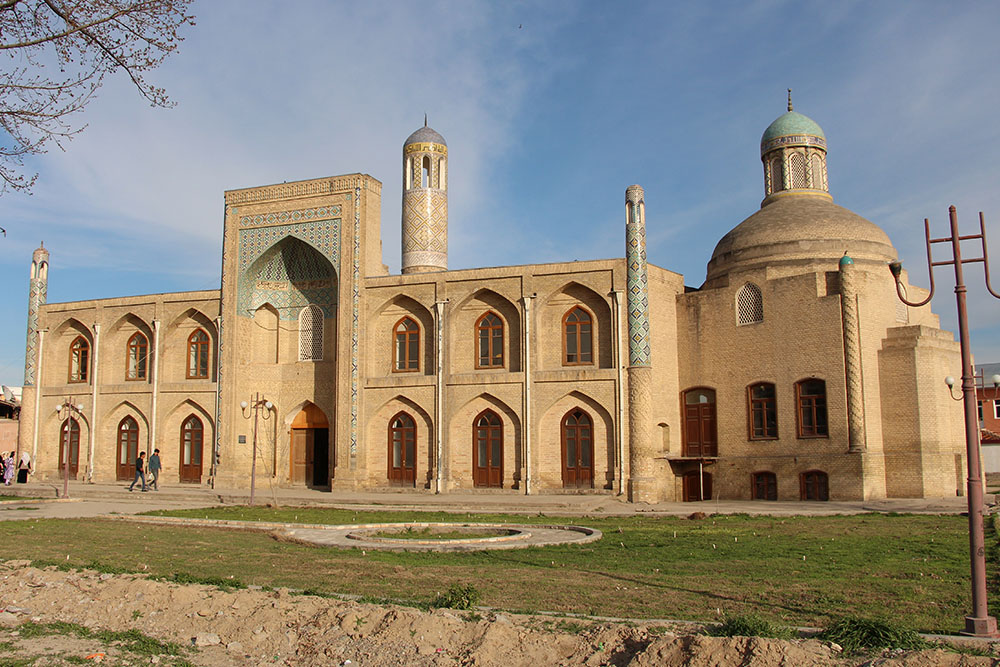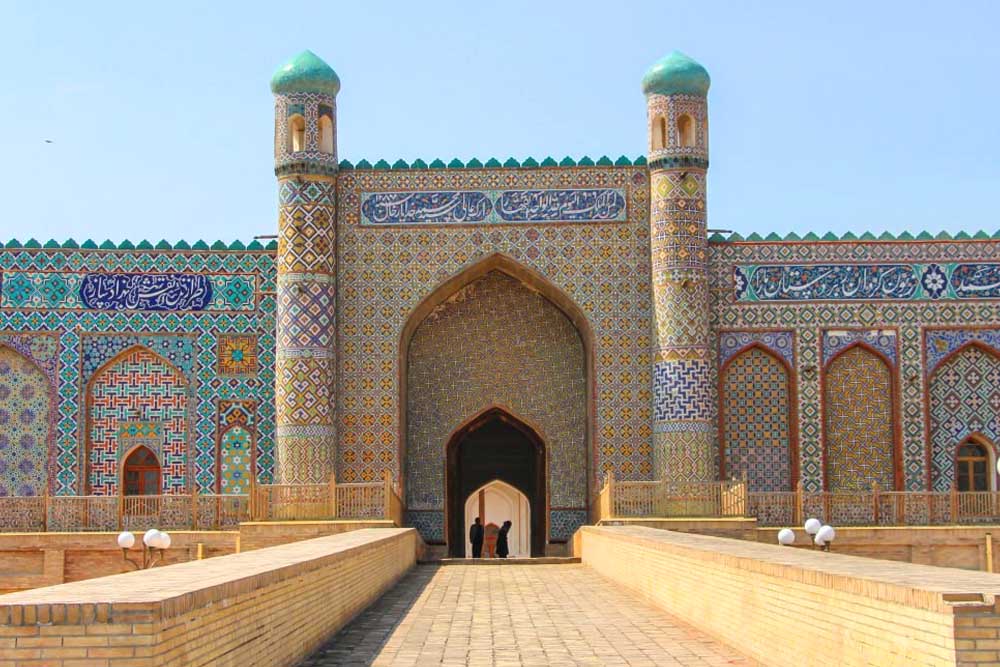




Kokand is a small but very interesting and important city with a long history, situated in the famous Fergana Valley 250 km east of the capital of Uzbekistan, Tashkent.
Like many other towns and cities in the Fergana Valley, Kokand formerly known as Khovakand and Kavakend sprang up in a densely populated oasis on an ancient caravan route, which, according to 10th-century sources, ran through all major settlements in the valley. Local people were mostly engaged in crafts, agriculture and serving and guarding caravans. In the 13th century the Mongols destroyed the city. According to written sources, ruler Abdu-Raim Beg revived the city of Kokand (Khuk-kon) in 1732, and in 1740 the city was made the capital of the Khanate of Kokand and given its present name.
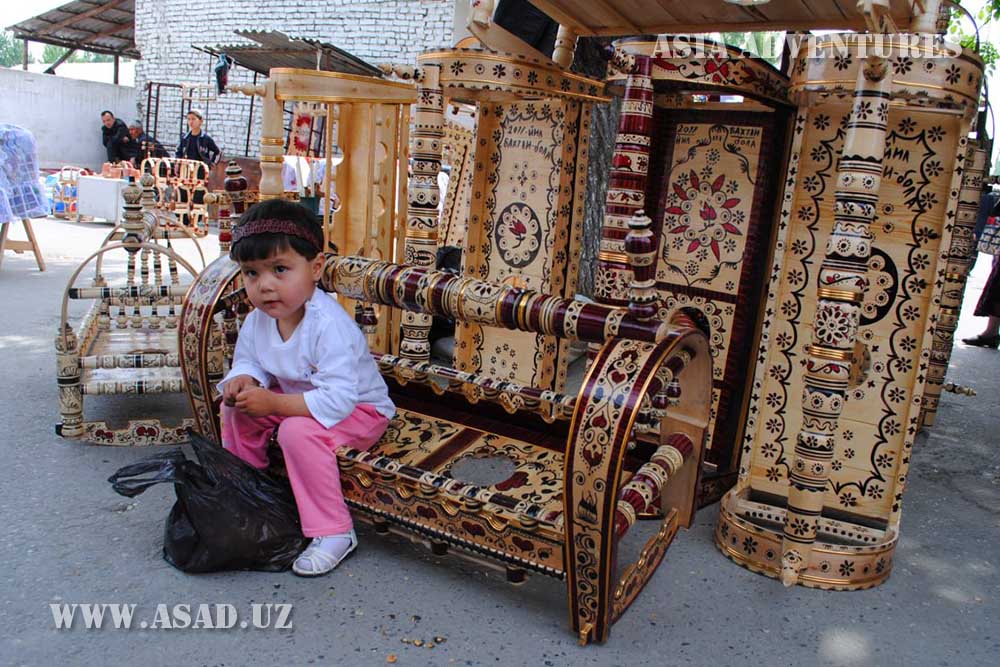
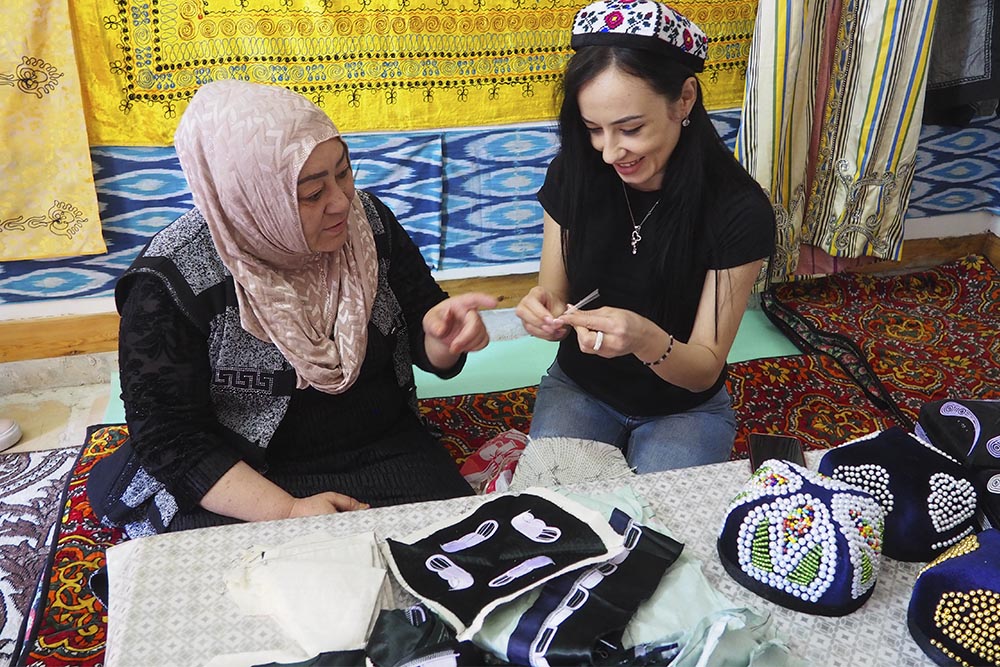
Kokand reached its peak in the mid-19th century, when the city dominated extensive territories in present-day Uzbekistan, Tajikistan and Kyrgyzstan, including the city of Tashkent. Very often the epithet ‘latif’ was added to the city’s name, which translates from Arab as ‘nice’ or ‘pleasant.’ In 1876 General Skobelev’s army captured Kokand and the city became a part of the Russian Empire. Today Kokand is a green and cosy modern city with a population of about 250 thousand people. Kokand has long been famous for its arts, crafts, literature, culture and education.
 Centralasia Adventures
+998781506280
Centralasia Adventures
+998781506280
28, Mukanna str.
Uzbekistan
Tashkent region
100070