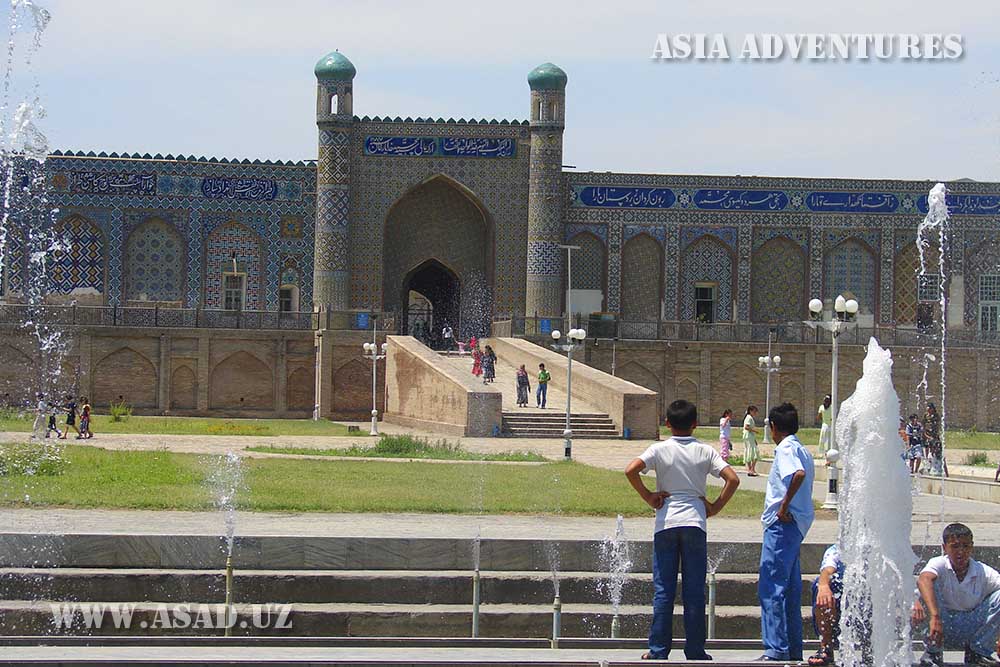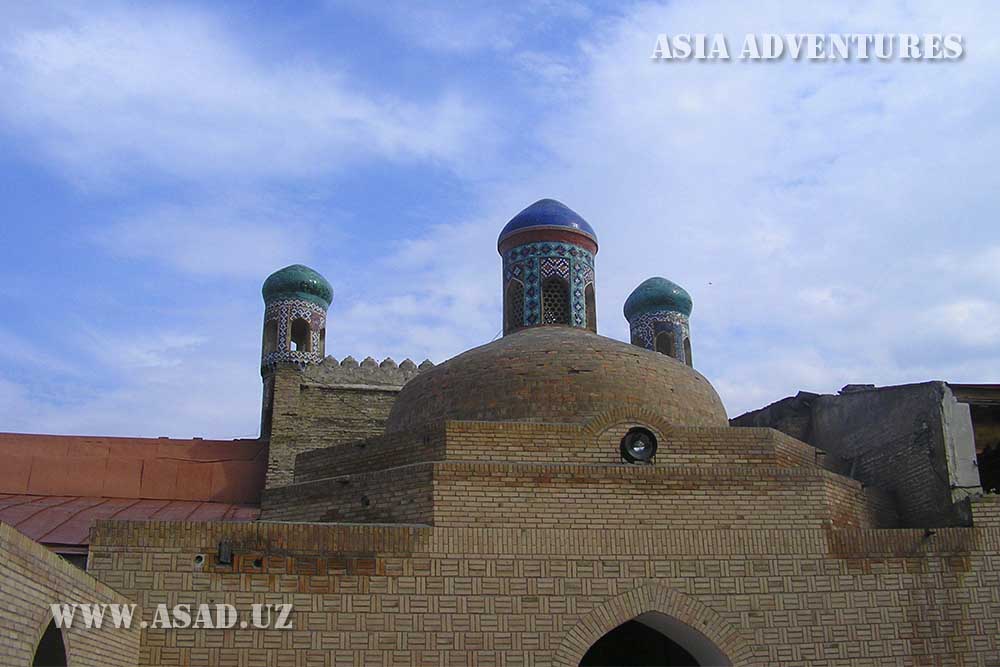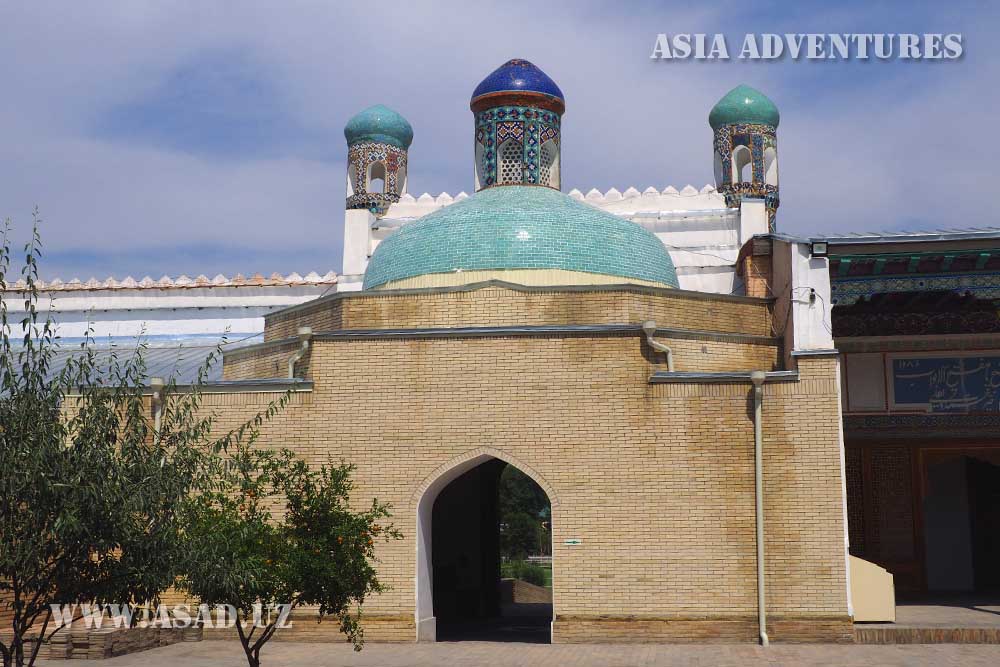





Step into the heart of Kokand and discover the Museum of History and Culture, housed in the magnificent 19th‑century palace of Khudoyar Khan. Once part of the grand Urda fortress — with gardens, guard barracks, and administrative buildings spread across 4 hectares — the palace today preserves its stunning eastern ceremonial wing with 19 richly decorated rooms.
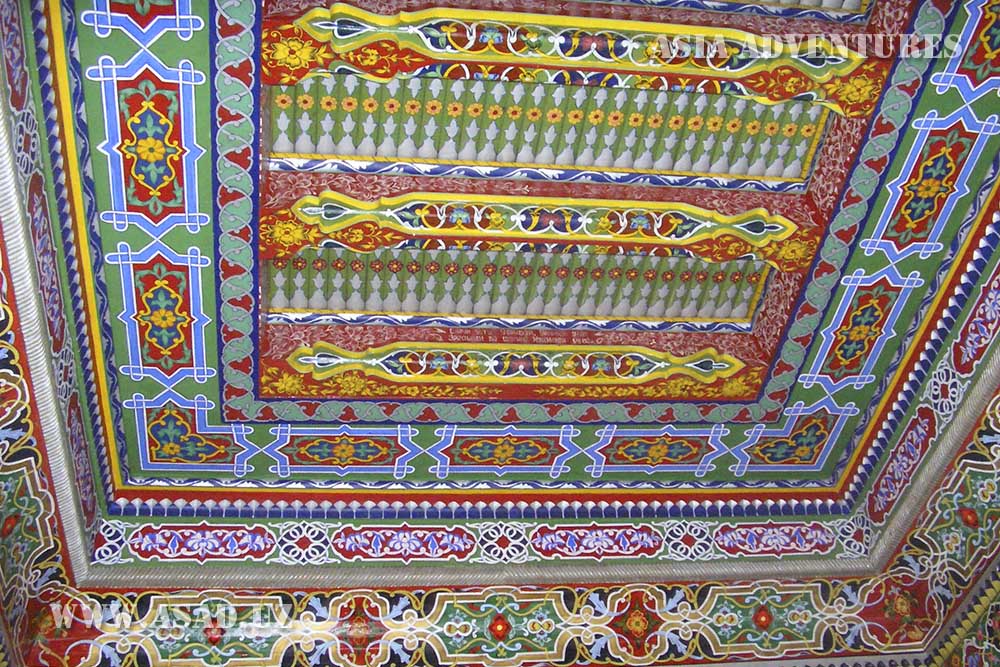
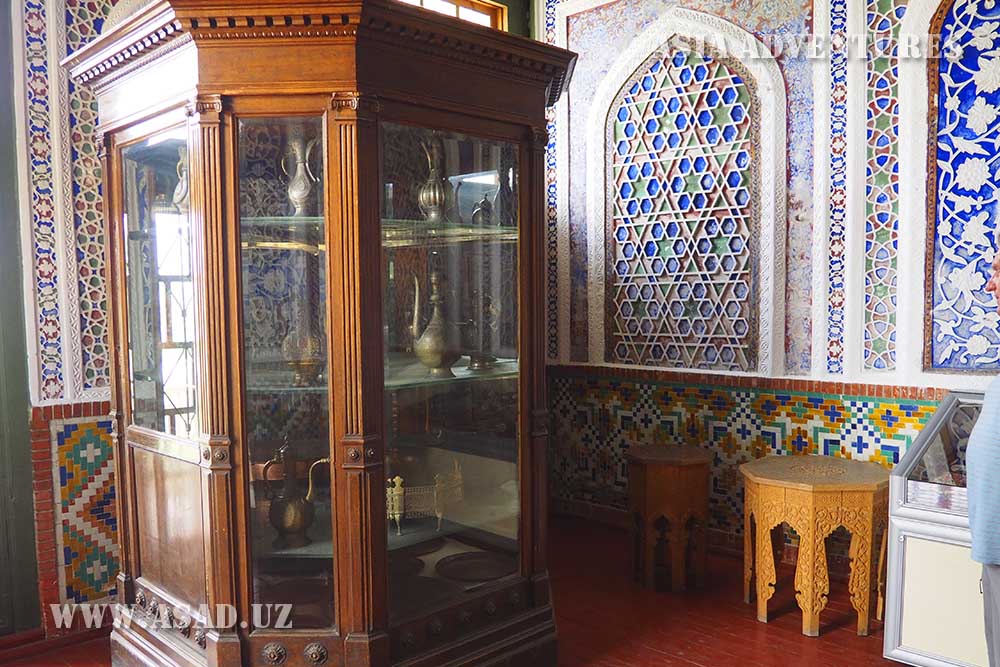
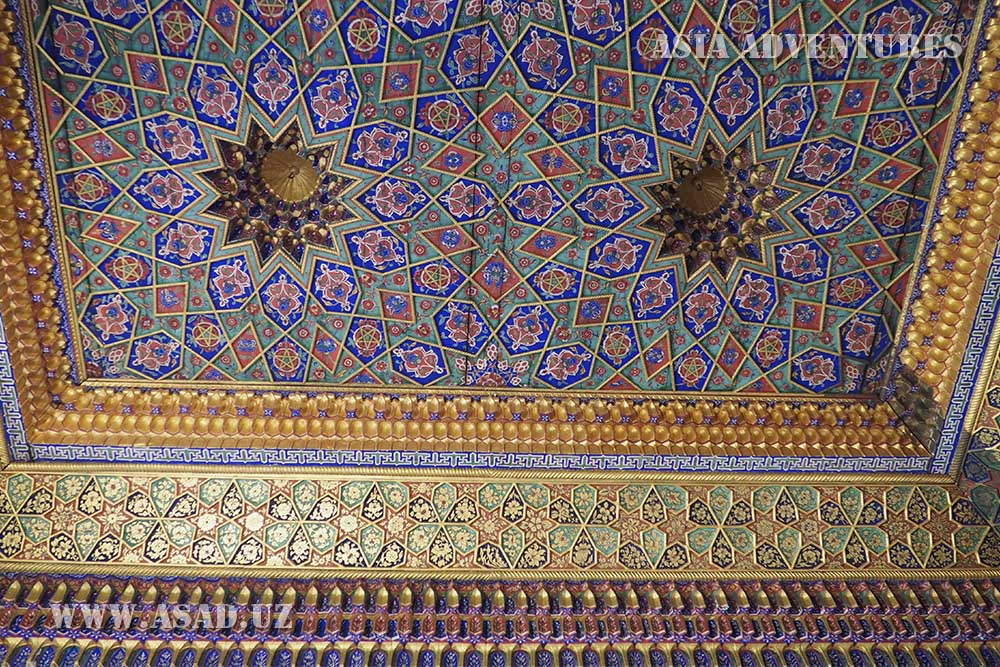
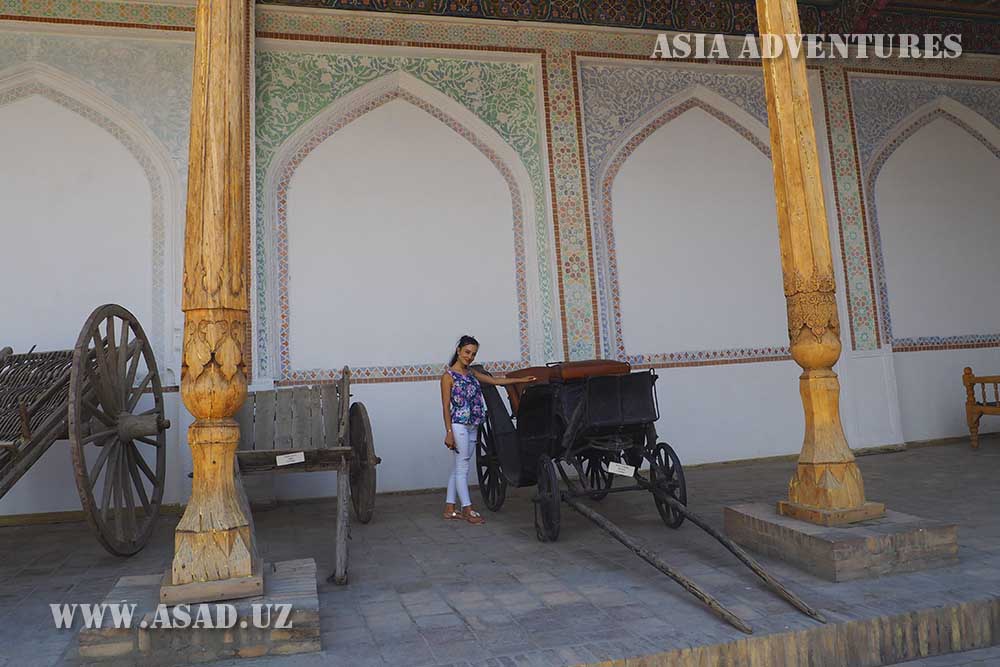
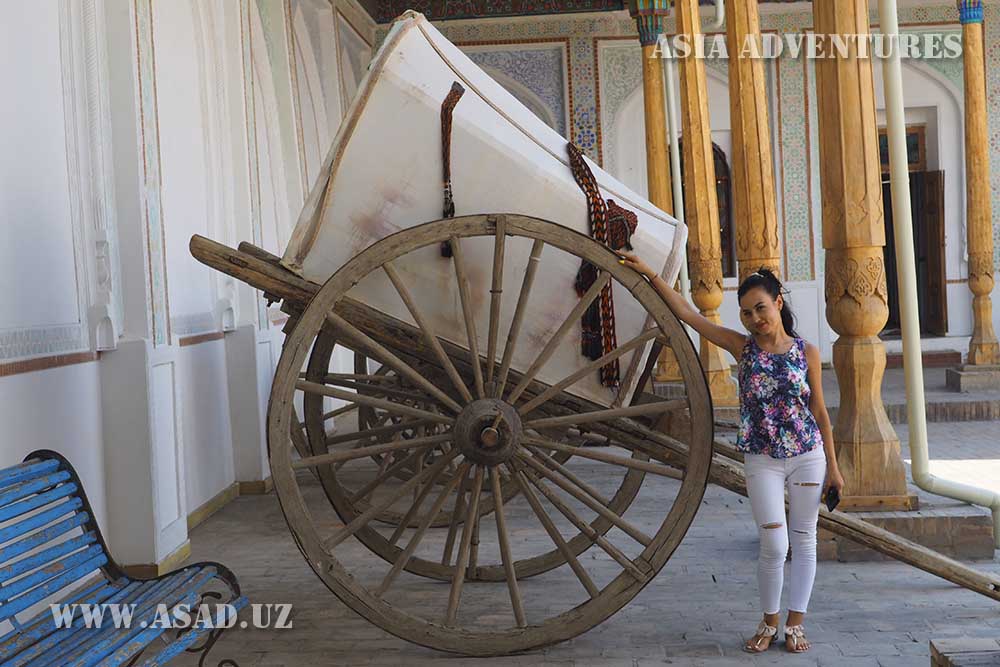
Visitors are greeted by dazzling interiors: carved wooden columns, painted ceilings, intricate mosaics, and colorful majolica patterns unique to the Fergana Valley. The museum’s treasures include rare manuscripts, lithographic prints, exquisite furniture crafted for the khan’s court, weapons, jewelry, musical instruments, and diplomatic gifts from foreign envoys.
Highlights not to miss:
Throne Hall & Reception Room — once home to the treasury, arsenal, and khan’s throne (now kept in the Hermitage, St. Petersburg).
Applied Arts of Kokand — wood carving, tilework, frescoes, and ornamental designs showcasing the city’s craftsmanship.
Rare Manuscripts & Library — a collection of priceless handwritten and printed works.
Nature Hall — dedicated to the flora and fauna of the Fergana Valley, featuring animal exhibits.
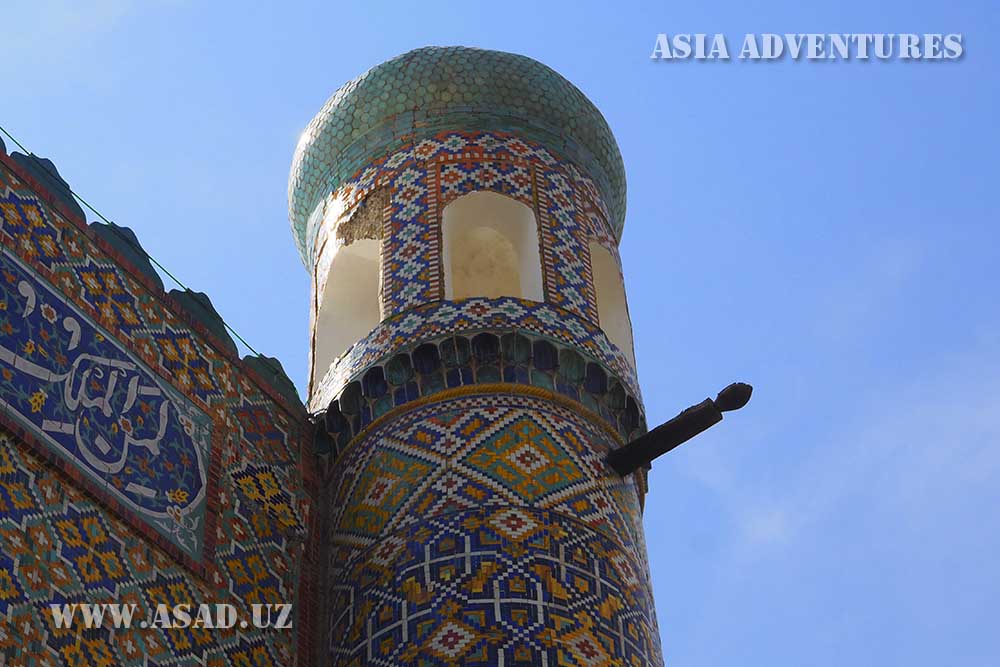
The museum’s façade itself is a masterpiece, fully covered in vibrant majolica with golden, green, and turquoise ornaments — a signature of Fergana’s artistic tradition.
Founded in 1925, Kokand’s museum is one of the oldest in Uzbekistan. Over the years, it has served as a regional museum, a wartime hospital, and after restorations in 2017, it proudly reopened as the State Museum of History and Culture of Kokand.
Today, the museum welcomes travelers with thousands of artifacts that bring to life the history, culture, and daily life of the region — from ancient times to modern history.
For a deeper cultural journey, the museum also manages four branches:
Hamza House Museum
Mukimi Hujra Museum
K. Khaydarov House Museum
Jami Architectural Complex