




In March 2026, a unique object, the Center of Islamic Civilization, appeared on the tourist map of Uzbekistan. This original grand project is the largest cultural, museum, scientific, and educational complex in Central Asia.
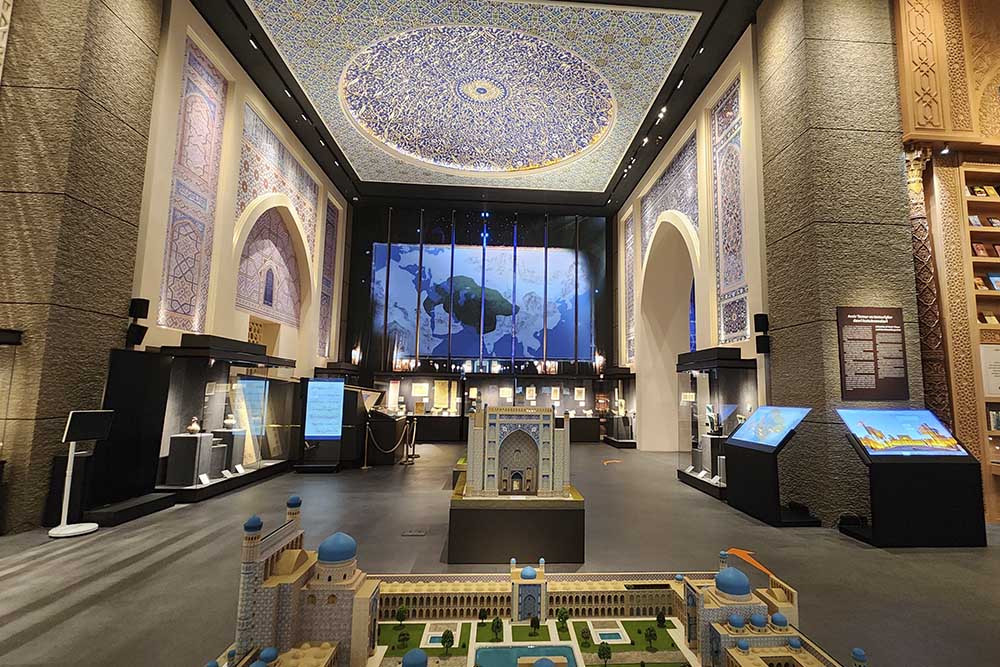
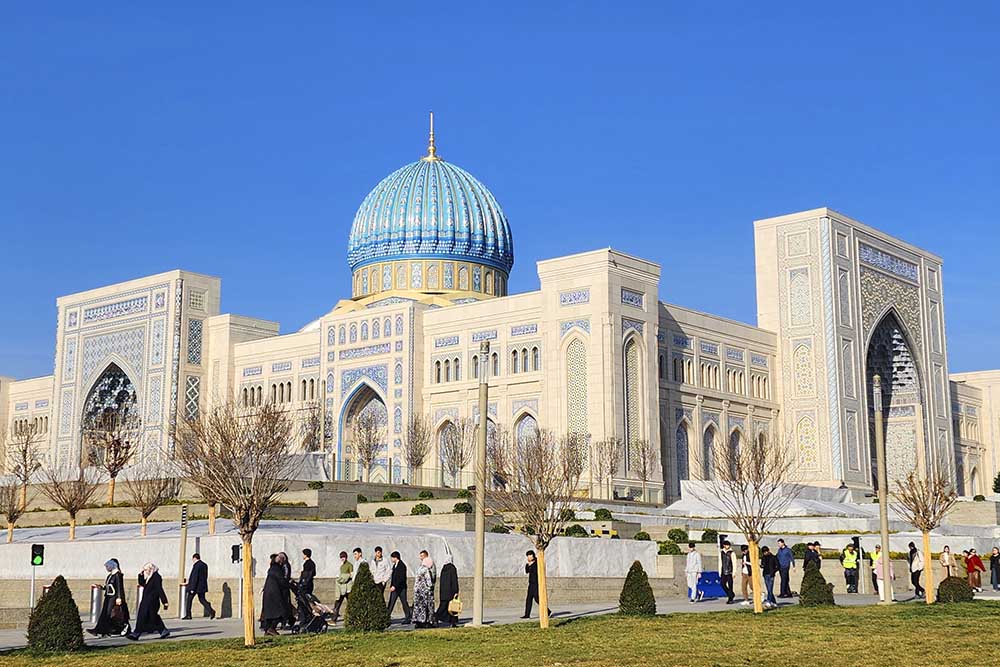
The Center of Islamic Civilization is built in the capital of Uzbekistan, Tashkent, near the Hast-Imam complex and occupies an area of more than 10 hectares. The majestic building of the center is designed in the style of medieval architectural monuments, featuring four portals each 34 meters high and a central dome that rises to 65 meters.
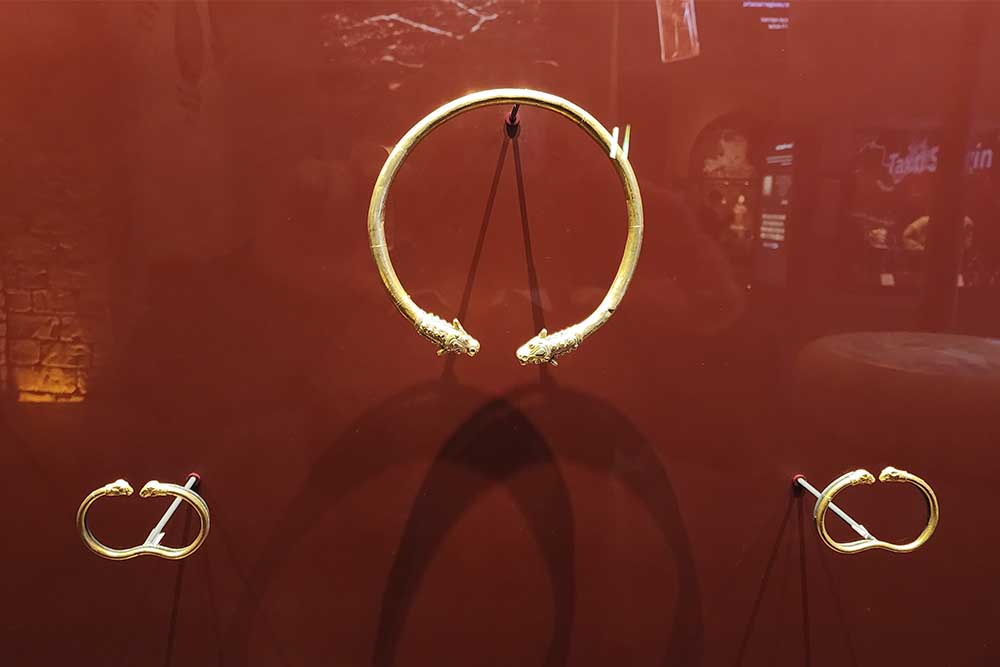
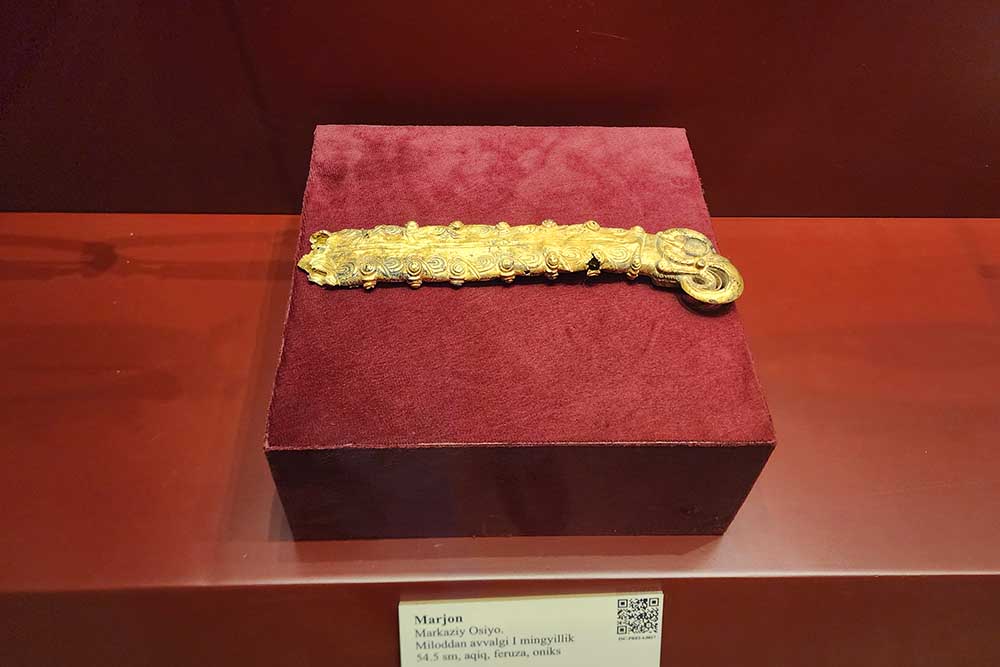
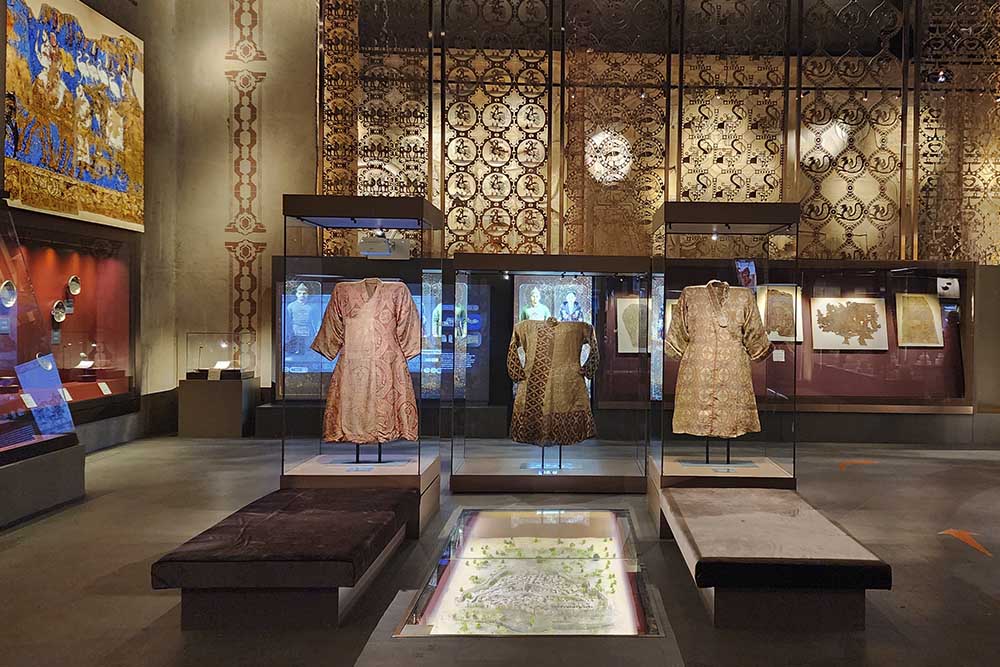
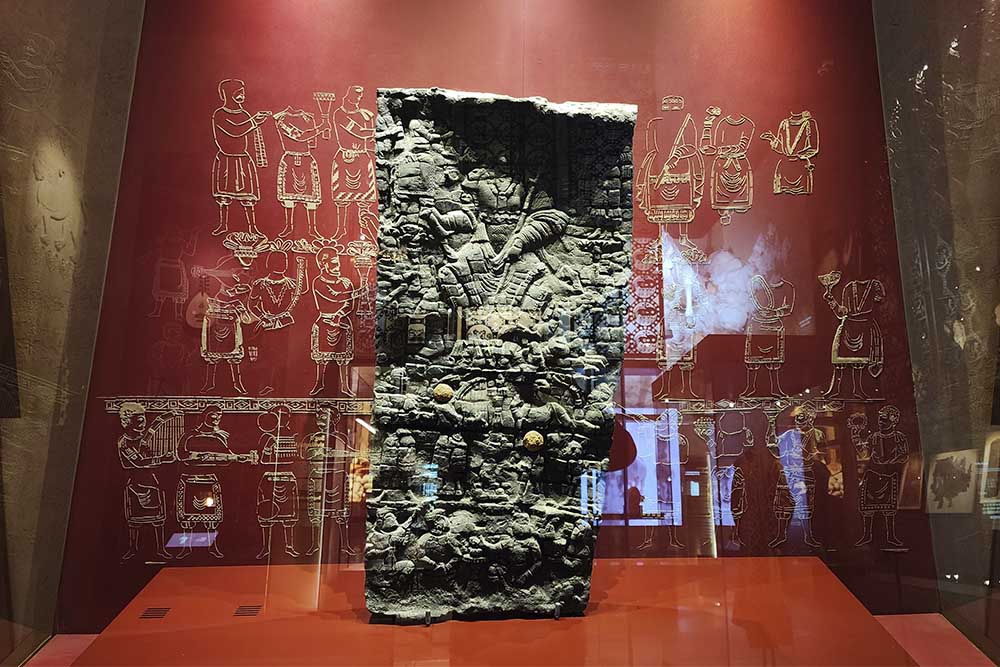
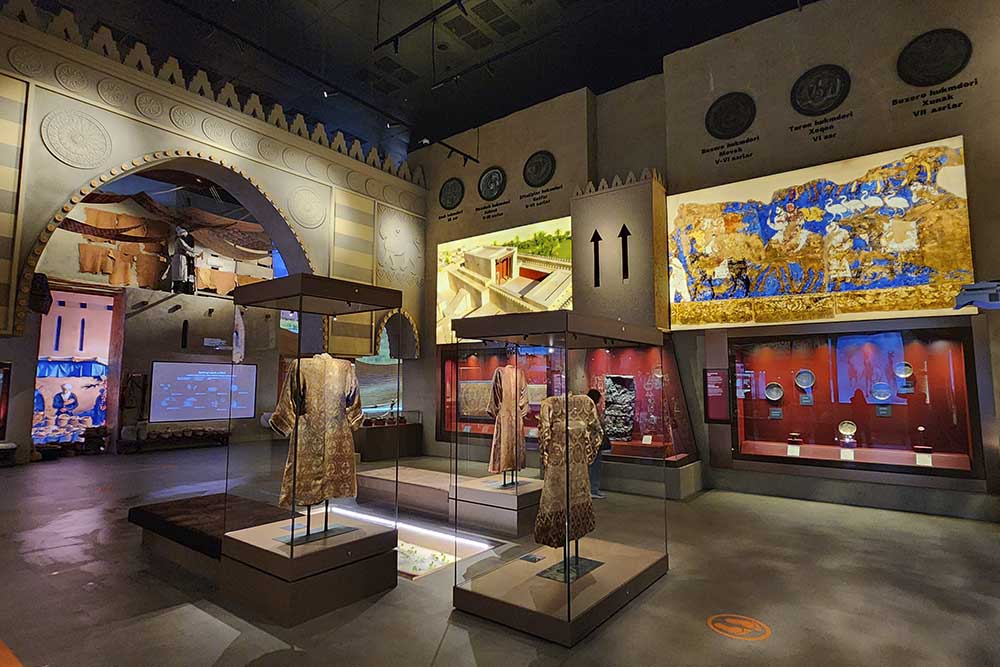
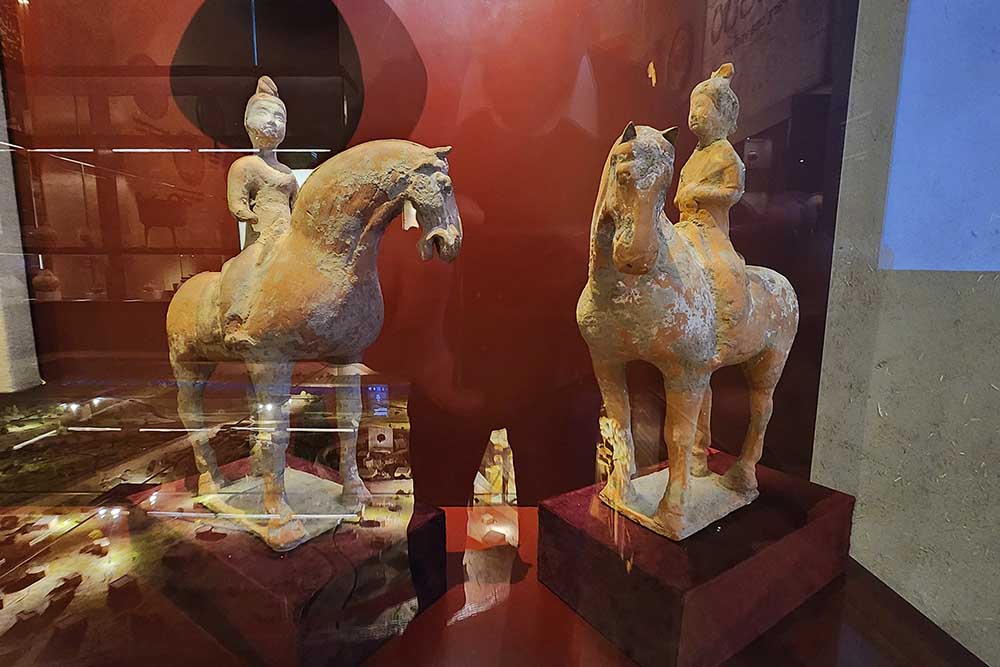
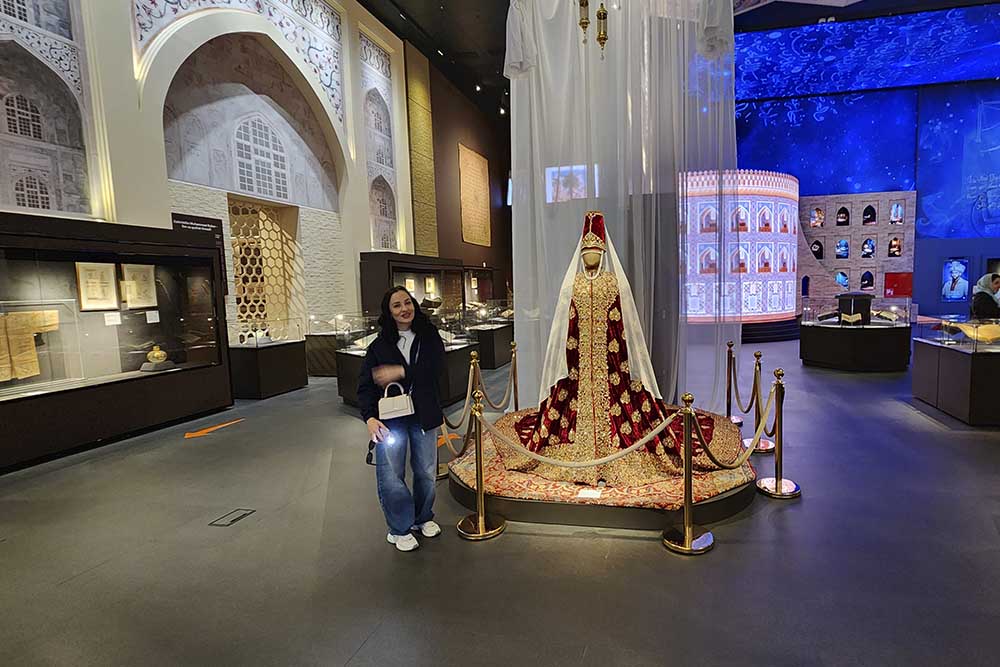
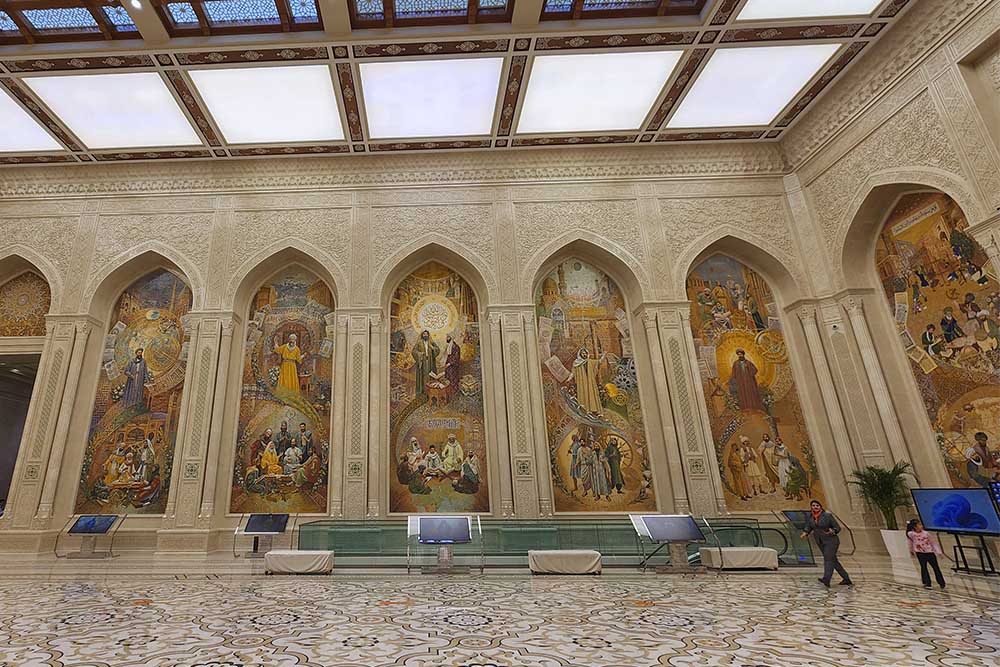
The museum of the center houses more than 40,000 exhibits from various eras of Uzbekistan's and Central Asia's 5,000-year history and includes four main exhibitions covering the pre-Islamic period, the first renaissance (9th-11th centuries), the Timurid renaissance (15th-17th centuries), and modern Uzbekistan. In addition to the museum, the center includes a library, a conference hall for 400 people, educational centers, scientific laboratories, restoration labs, and religious institutions.
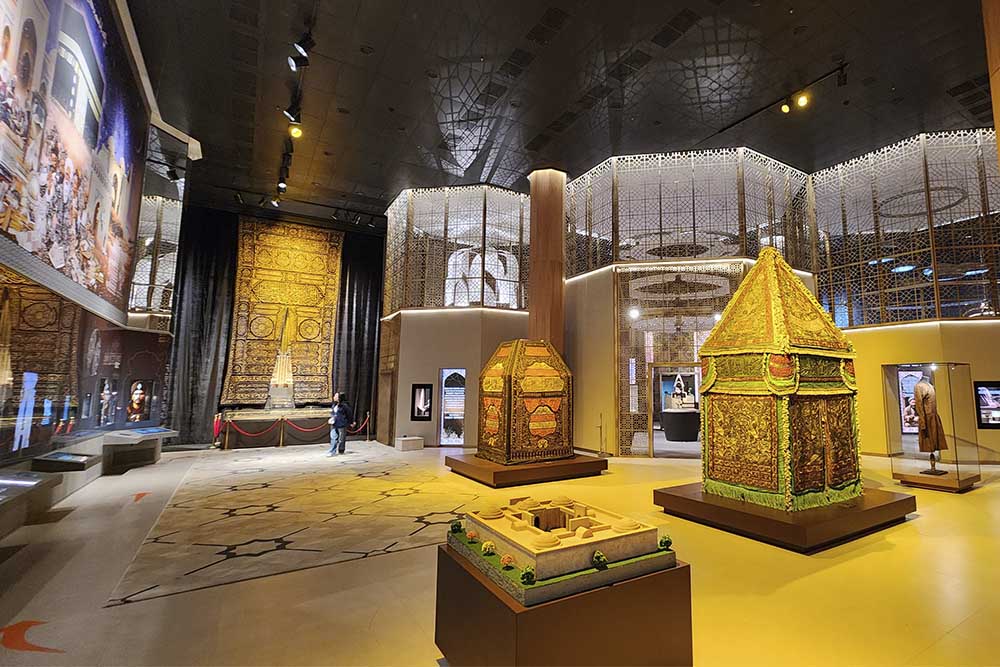
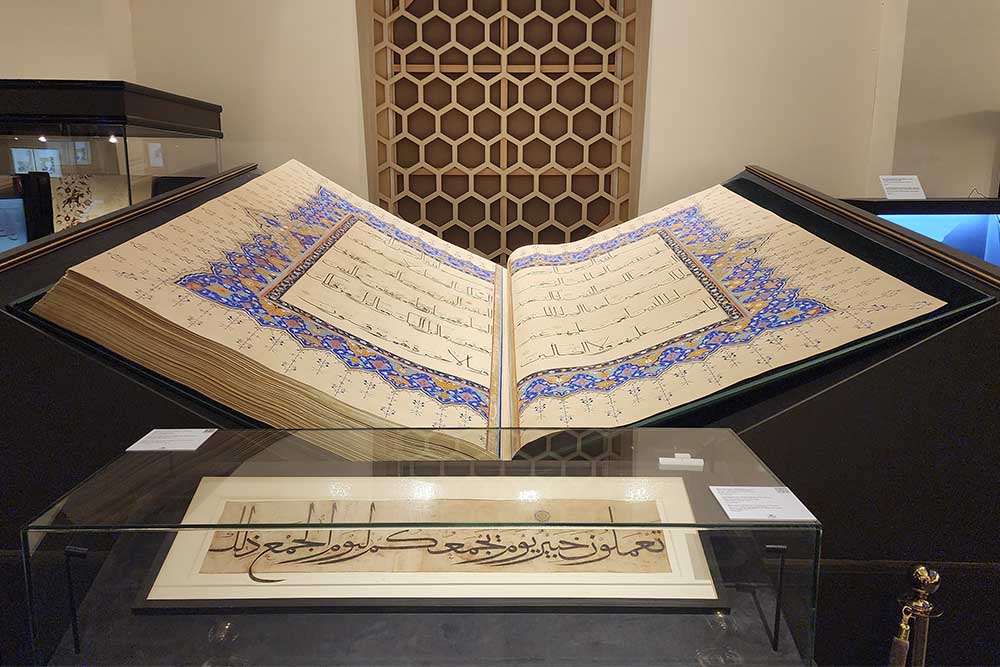
The main treasure of the Center is the sacred Quran (Mushaf) of Caliph Uthman (7th century) - the oldest in the world. This sacred text is a 7th-century manuscript written on gazelle skin and is included in UNESCO's Memory of the World register. The Quran is displayed in a separate magnificently decorated hall made of pink marble. Here, copies of the Quran created during the Samanid, Karakhanid, Khwarezmshah, Uzbek Khan, Timurid periods, and other historical dynasties are also presented, along with their translations into Old Uzbek and rare handwritten copies of the Quran from around the world.
The exhibitions at the Center are equipped with modern multimedia technologies and visual effects. Through interactive touch panels, visitors gain access to a digital platform that combines reference information about the exhibits, historical events, historical figures, videos, and avatars of more than one hundred outstanding thinkers and scholars. They "come to life" on the screens and share their ideas and discoveries.